 TFS Gulf




- WTS, the €250 million global tax giant, has launched WTS UK to compete directly with the Big 4’s UK tax practices.
- And they have lured in Jeff Soar, a former EY UK managing director, to lead WTS UK.
- For decades, the global tax advisory market has been dominated by Deloitte, EY, KPMG, and PwC, with barely a serious challenger in sight.
- Now with AI and Private Equity funding…It’s all changing!
Another PE-backed firm enters Big 4’s turf
Jeff Soar, who previously led EY’s Global Law Business, has already recruited 10 partners ahead of the firm’s launch.
Now, over the next five years, they want to get over 100 partners on board.
And, if that happens, WTS UK could grow to roughly 60% of the size of EY’s UK tax practice.
The pitch is simple:
Build a specialist tax advisory firm that can compete “toe to toe” with the Big 4, but without the structural constraints that come with their massive global partnerships.
But what makes them different from a Big 4?
Private equity funding
Investment firm EQT Partners has committed more than €500 million to expand the WTS network globally.
No juniors
Yep! Since AI is going to handle the grunt work for trainees, why bother hiring them and end up with a bloated team?
Senior-led learner teams
WTS UK is also trying to rethink how advisory firms operate.
Traditional Big 4 firms follow a pyramid model, where large numbers of junior staff support a smaller group of partners.
WTS plans something very different:
- 1 partner for every 4-5 employees
- Fewer trainees
- More senior specialists
Lower fees
Lower headcount and administrative costs will allow WTS to undercut the Big Four’s fees.
Attractive compensation
According to Soar, some employees will have equity in the business as part of their pay packages.
Working with retired professionals
Soar told Financial News, “We are really interested in people who’ve retired as partners. We don’t have a retirement age, so if people want to carry on, we’re definitely open to those conversations.”
Hmmm, interesting…what do you think?
Tax Advisory backed by AI & Tech
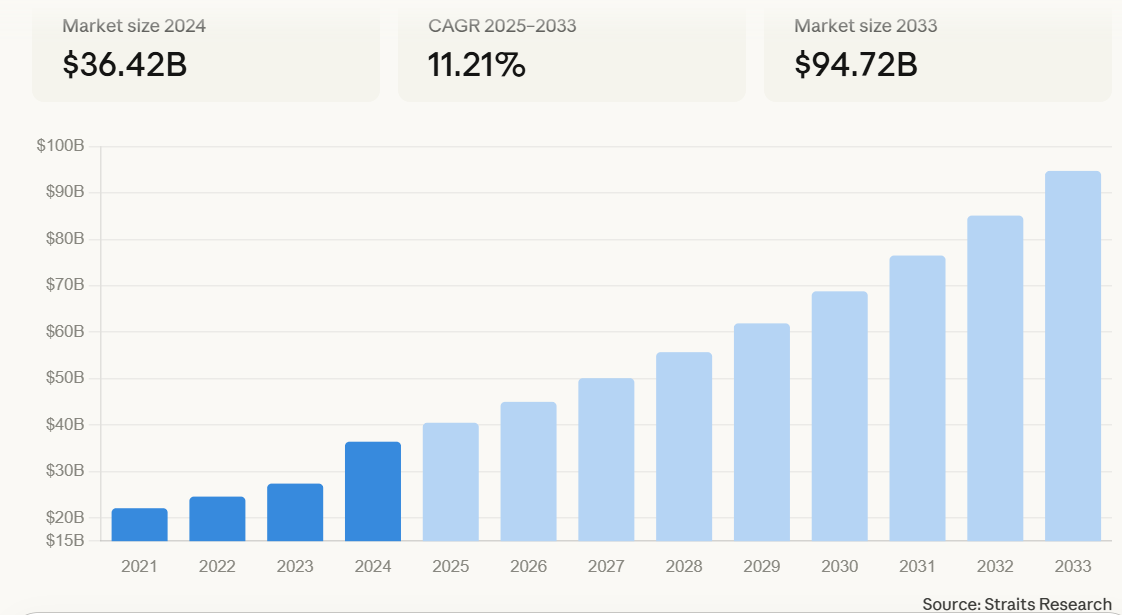
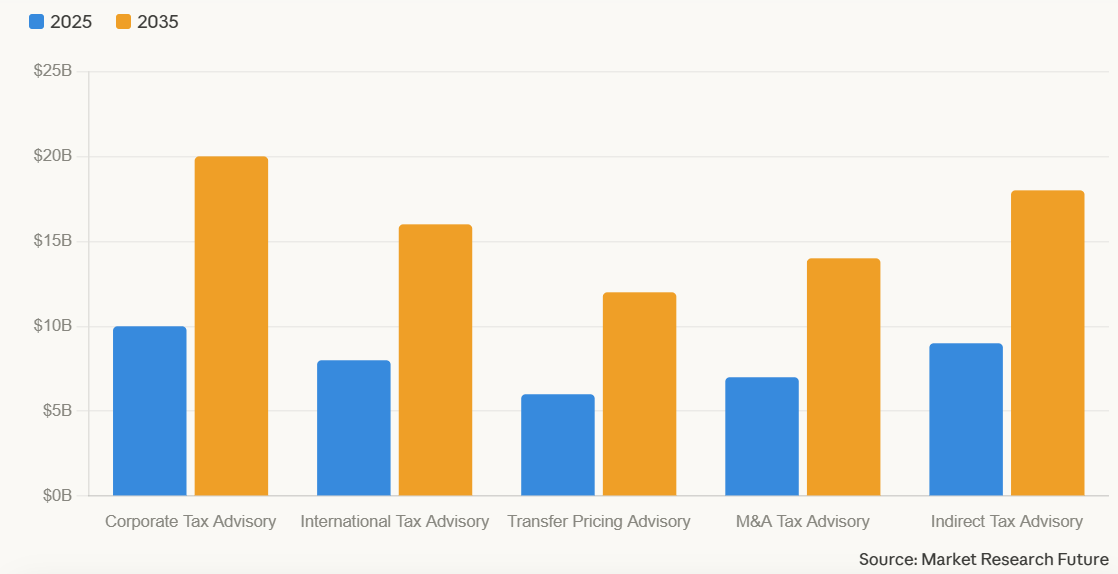
Tax is an enormous business… £5.6 billion in the UK alone, according to the Financial Times.
Soar believes tax advisory may be one of the professional services fields most ready for AI disruption.
And when you think about it, he has a point.
Tax work is often:
- rules-based
- repetitive
- data-driven
This makes it particularly well-suited for automation and AI tools.
The Big 4 know this. They’re all investing in AI too. But smaller firms have an advantage in adapting faster and building new workflows from scratch.
Also read: EY UK Chairman announces new consulting firm; secures $300Mn PE funding!
There’s one more thing working in Soar’s favour
Conflict of interest...And it’s something the Big 4 genuinely can’t fix easily.
All Big 4 firms audit large companies—and also advise them on tax.
Regulators have always been uneasy about this overlap.
EY actually tried to solve this a few years ago. That they had a plan, called Project Everest, to split the firm into two…separate the audit business from the advisory business.
Well, it collapsed.

So what does this mean for India?
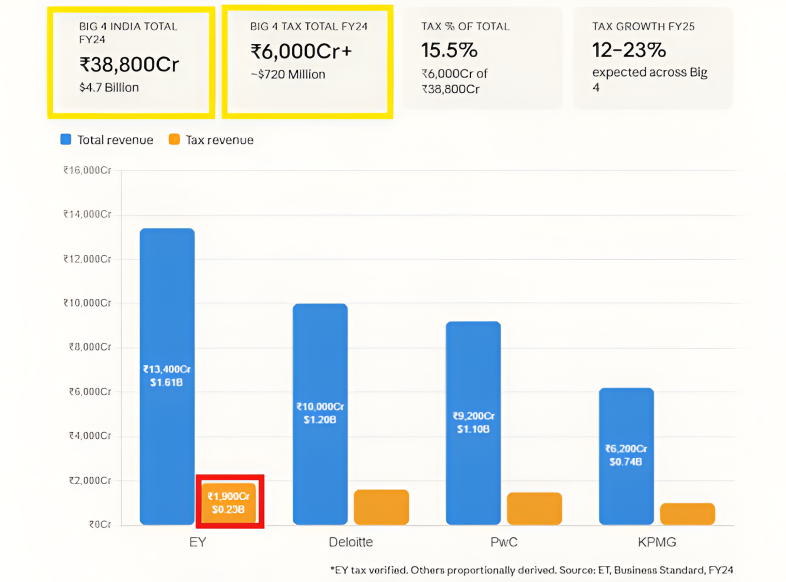
In India, for FY 24, the Big 4s ‘ combined tax revenue was ₹6,000 crore (US$ 699.87 million).
EY alone is taking ₹1,900 crore.
So, like the UK, in India as well, the Big 4 dominate Tax Advisory.
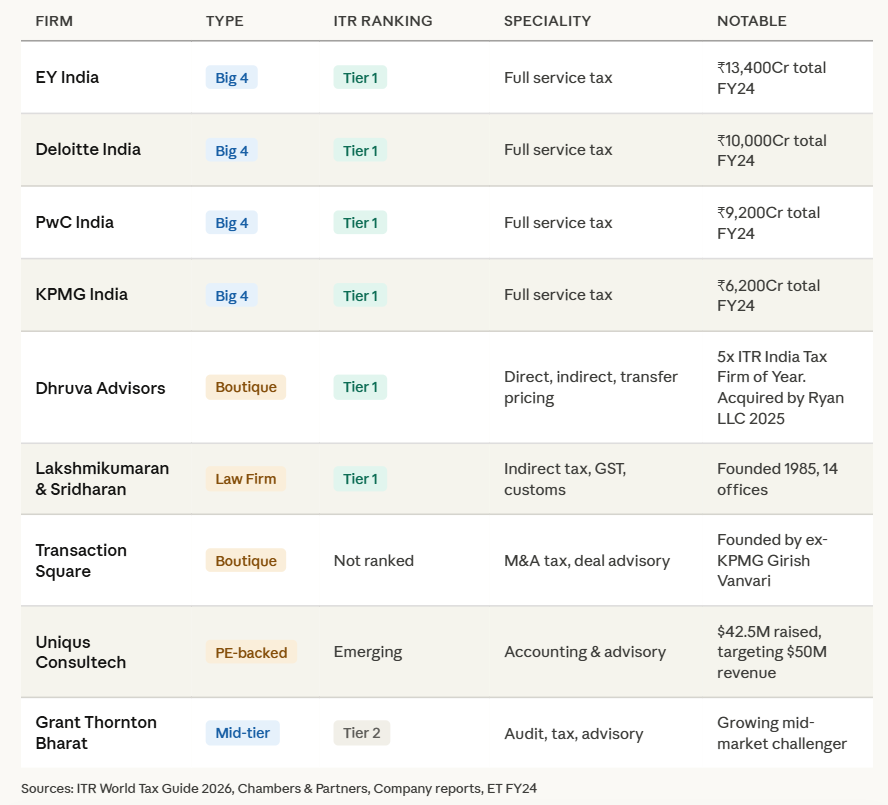
Yes, there are a few strong Big 4 competitors, but India’s only “standout non-Big 4 Tier 1 tax firm” is Dinesh Kanabar’s Dhruva Advisors. They clocked in ₹250+ crore in revenue in 2024.
Something interesting happened in 2025: Ryan (a PE-backed global tax firm valued at $7 billion) acquired a majority stake in them.
This brings serious AI and serious money to Dhruva.
Wrapping up…
In India, more Big 4 leaders will quit. More capital will flow in. More AI-first tax firms will be built.
Put all that together…And the tax advisory market in India is heading toward its first real disruption in decades.
FAQs
Q: Will AI automate the tax function?
Yes, AI will automate routine, rules-based work; tax return preparation, data extraction, reconciliation, and compliance filings. These tasks are well-suited to automation and AI Tax data. I
Q: Will tax professionals be replaced by AI?
No. Artificial intelligence won’t replace tax professionals.
But by automating routine tasks, it will allow tax teams to shift toward strategic advisory, planning, risk management, and decision support.
Q: Why are more Big 4 Partners joining Private Equity-backed firms?
Even though equity partners at Big 4 firms get strong annual compensation, Private Equity–backed firms offer a different kind of upside.
Partners may receive ownership stakes that can generate large payouts if the firm is sold or recapitalised by private equity.

